English ordinal · closer transliteration
IBN SINA
68
I 9 + B 2 + N 14 + S 19 + I 9 + N 14 + A 1. The spelling nearer the Arabic refuses 69. A miss. That is the method working.
Kitāb al-Nafs · before Locke, before Descartes
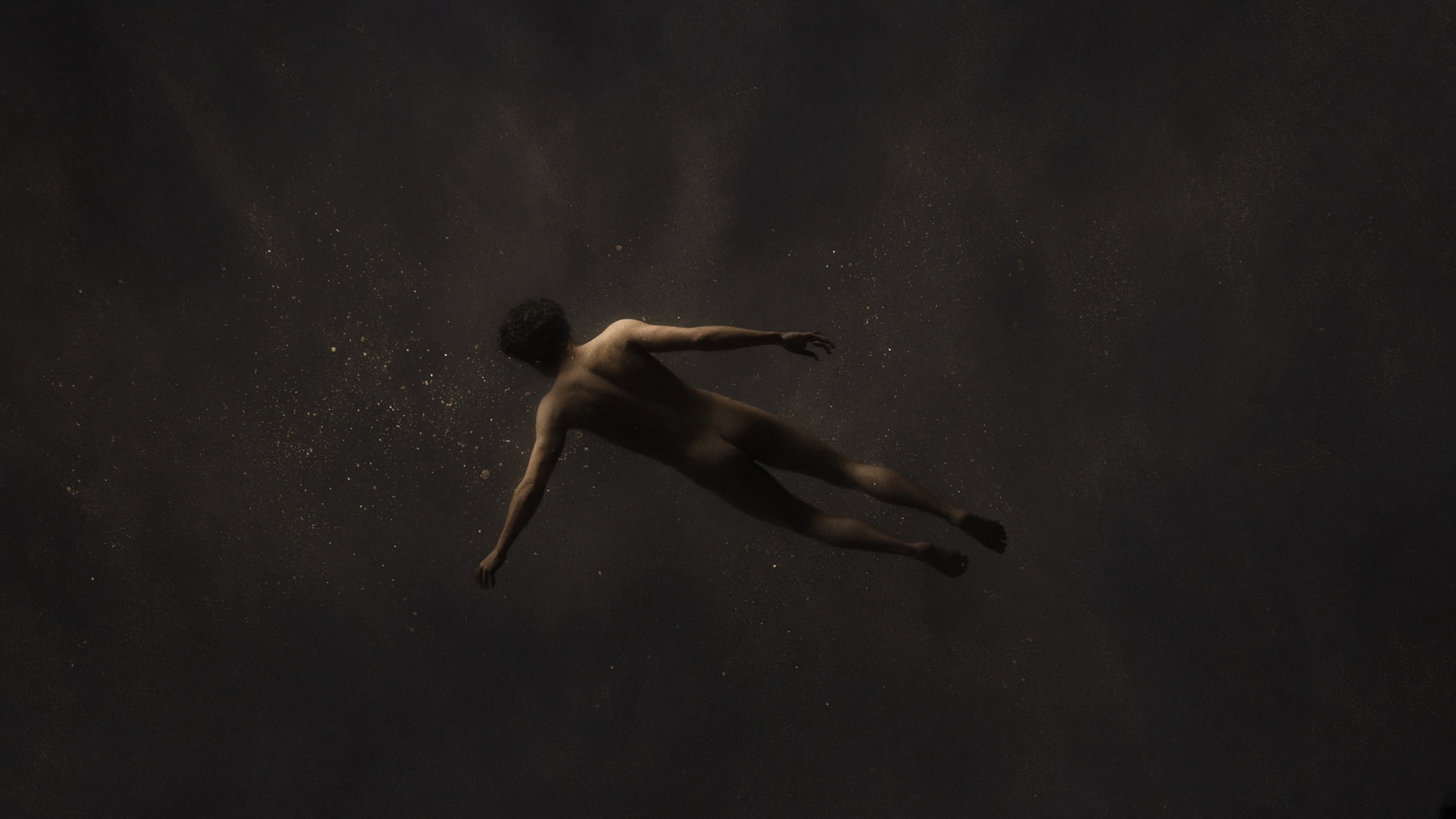
Created at a stroke. Floating. No contact. The self remains.
The experiment, not the cipher
Suppose a person just created, fully formed, sight veiled, floating in air so still that nothing is felt, limbs held apart so they do not touch. Would that person affirm the existence of the self?
English paraphrase of the flying-man argument · not a quotation from the Arabic
He says yes. The self is affirmed. The body is not. That is the thought. CIPHER has not counted anything yet.
Before any spelling
Abū ʿAlī al-Ḥusayn ibn ʿAbd Allāh ibn Sīnā, known in the West as Avicenna, was a Persian physician and philosopher, c. 980 to 1037. He wrote in Arabic. The flying man, also called the floating man or the man suspended in air, appears in the psychology of Kitāb al-Shifāʾ, The Book of Healing: the treatise Kitāb al-Nafs, De Anima in the Latin West.
The argument is introspective. If all sensation is subtracted, and even the limbs cannot feel one another, something still knows that it is. Avicenna takes that remainder as the soul: immaterial enough to be known without the body. Scholars still argue whether the experiment proves a separate substance, or only the immediacy of self-awareness. CIPHER does not settle that.
Consciousness next door asks what is doing the interpreting. The flying man is one of the oldest precise versions of that question. Locke will later make consciousness a working English word for the noticing itself. Descartes will later write that he cannot doubt the thinking thing. Avicenna is earlier than both.
This room is not their school. It is the names, after the thought.
Original language first
ابن سينا
Ibn Sīnā
CIPHER has Greek, Hebrew, and English machines. It does not run Arabic abjad. That is a refusal, not a promise. We will not invent a fourth alphabet to force a total, and we will not pretend English letters are Arabic.
Then we counted the later spellings
English ordinal · closer transliteration
68
I 9 + B 2 + N 14 + S 19 + I 9 + N 14 + A 1. The spelling nearer the Arabic refuses 69. A miss. That is the method working.
English ordinal · Latinized name
69
A 1 + V 22 + I 9 + C 3 + E 5 + N 14 + N 14 + A 1. A C that is not in ابن سينا. The Latinization is what locks.
Count the Latin name
69
Then, if we count the Latinized name under English ordinal, a modern machine Avicenna was not writing, the letters sum to 69.
A later check, not a lineage
The flying man is often set beside Descartes. Both ask what remains when the body is in doubt. Whether Descartes read Avicenna is still argued. CIPHER does not settle influence. We counted the Latin verb cogito under the same English ordinal machine. C 3 + O 15 + G 7 + I 9 + T 20 + O 15 = 69. Same total as AVICENNA. Different word, different century, different claim. A later check. Not a school.
That Ibn Sīnā encoded 69. That the Latin name was waiting for English ordinal. That Arabic abjad, if we had run it, would have said the same thing.
That the flying man is a cipher. That cogito and Avicenna are one fact because they share a total.
That every consciousness page must wear the number. The correspondence is hard as arithmetic and open as meaning. Word first. Thought first.
The experiment is Arabic.
The hit is Latin, under English.
The closer spelling misses.
Notes